Natalie Clifford Barney — Library of Congress guide
Biography, Sappho, salon and intellectual circles; a guide to related sources.
Explore this collectionNovelist, performer
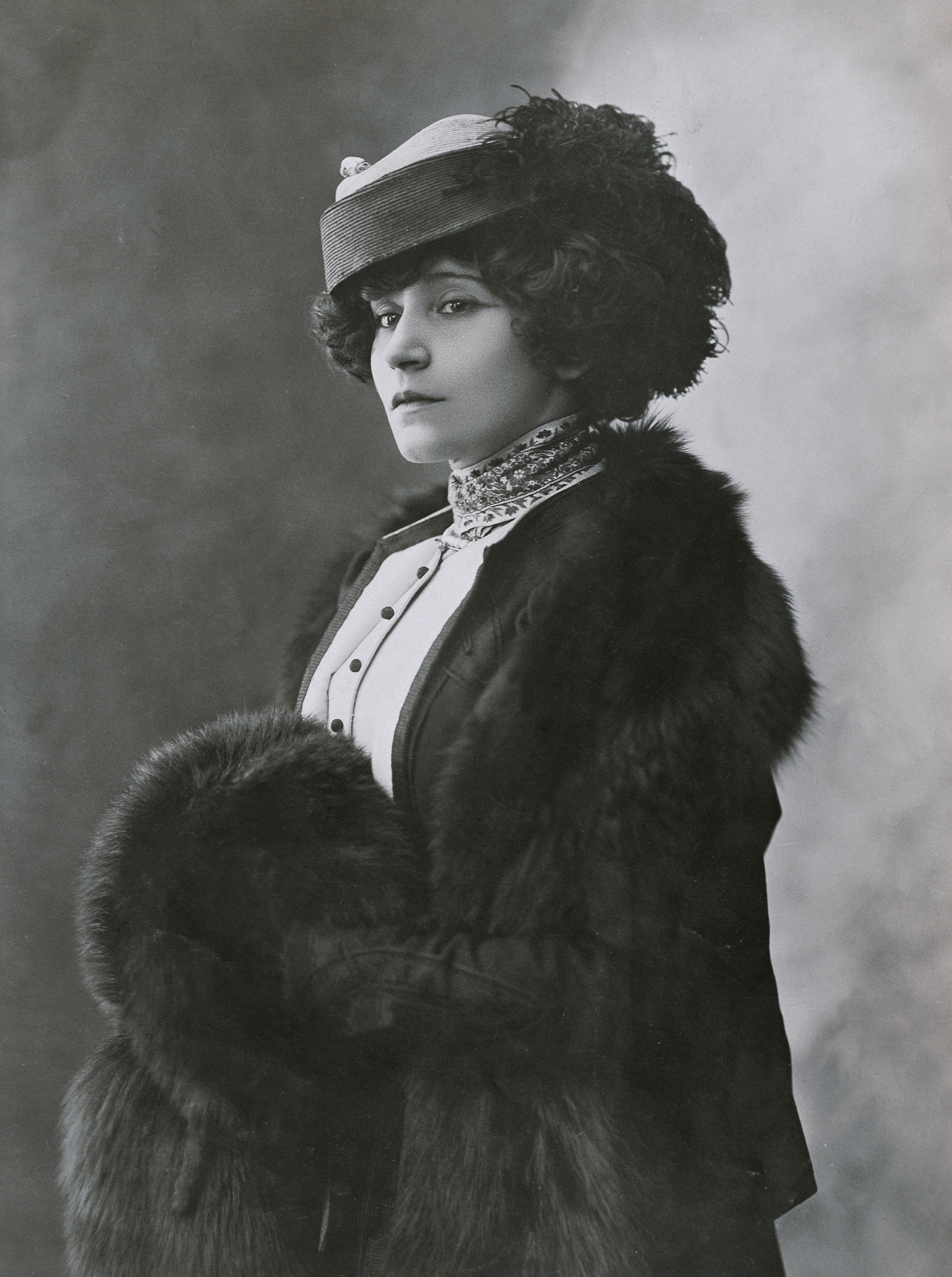
Colette’s first famous books circulated under her husband’s name. Claudine à l’école appeared in 1900 under the signature Willy, the name used by Henry Gauthier-Villars. The discrepancy between the person writing and the name selling the work is central to her early career. It concerns authorship, money, and a marriage whose public identity could conceal the division of labor within it.
The later career moved across occupations rather than following a single unbroken path into literary honor. Colette performed in music hall, wrote journalism and theater criticism, worked in advertising, and undertook a beauty business. These activities placed her in contact with audiences and markets beyond the conventional literary circle. They also make financial work a necessary part of the biography, not an embarrassment to be edited away after success.
Her books repeatedly approached the relation between a life and its written representation. The BnF’s examination of the manuscripts of La Naissance du jour shows her adapting letters from her mother, Sido. The letters were material she transformed, not documents she merely copied into a book. That distinction matters throughout a biographical archive: a recognizable person or circumstance in fiction does not make every narrated detail independently true.
The body, desire, aging, animals, and the natural world belong to the range of her writing. These interests should be studied in the books themselves, with attention to differences among the works. A single description of sensual observation cannot adequately account for a long career in fiction, criticism, and journalism. Nor should a biographer replace textual reading with the more readily repeated episodes of her private life. [1,2]
Her relationships with women connect her to the wider world around Natalie Barney. Georgie Raoul-Duval and Mathilde de Morny are important subjects in their own right. Leontis also records Colette’s participation in performances with Eva Palmer in the early Paris circle. That is a specific artistic route through the Constellation, rather than an assumption that every unconventional woman in Paris necessarily shared the same room.
Later institutional recognition included the presidency of the Goncourt jury and national funeral honors. Such recognition does not retrospectively simplify her commitments into a consistent feminist program. The BnF exhibition emphasizes contradictions among the public woman, the author, and her representations. The archive should preserve those differences while avoiding the equally simplifying alternative of treating her independence as merely scandalous.
Colette’s importance extends well beyond her connection to Natalie. She made a substantial body of work while negotiating the changing ownership of her name, the demands of earning, and the public uses of intimacy. She illuminates a literary world in which a woman’s life could supply material to others and, through authorship, become something she shaped herself.
+ Add a connection or correction ↗
Reported Private List category: Demi liaisons. Evidence weight: Research lead / not yet verified. Attribution requires an exact original or published reference.
Open the institutional or reference source ↗
Explore the sources above to distinguish historical records from the novelist’s fictional interpretation.